Unknown's avatar

Posts by Michael

I am a husband, father, minister, and writer.

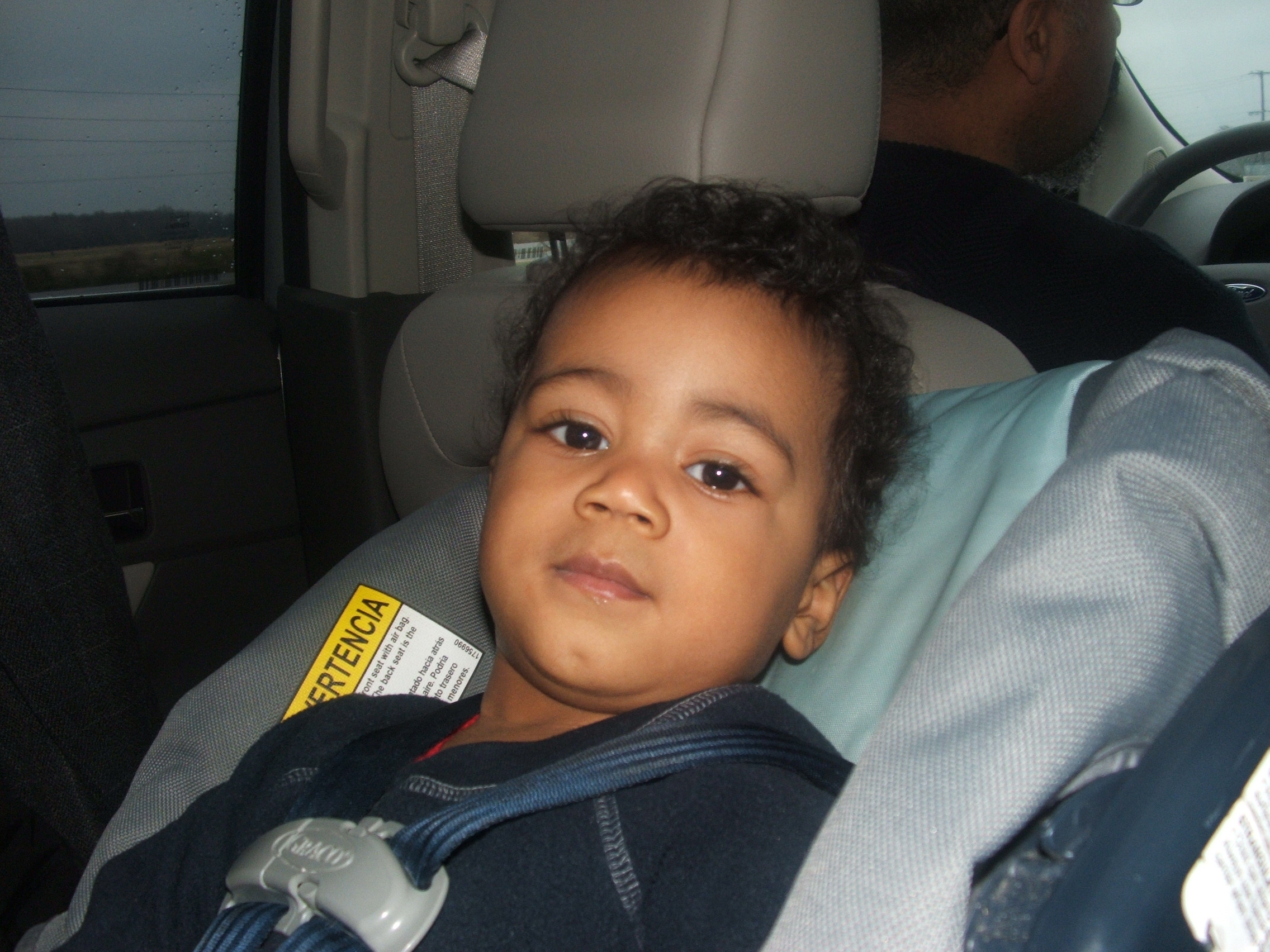
Uh, Son…

…I’ve been meaning to ask you a few questions.

  1. Do your little friends say “no” to their parents or is this your own wise idea?
  2. Can you believe that I gave you that look and so its impact on me is nil?
  3. Will you learn that there are other colors in the world outside of red, green, and blue?
  4. Why do you say “bus school” and not “school bus”?
  5. You do remember that you don’t actually have a room but that we’re really generous?
  6. How long is this phase where you point out, with sirens, every fire truck and police car?
  7. Have I mentioned that I’m impressed that you know your ABCs?
  8. You know it’s unacceptable to tell restaurant staff to get away from you?
  9. By the way, who have you heard say such things—for real?
  10. How long do I have to remind you that you always wash hands after the potty?
  11. Who told you that you could tell me or your mother not to touch you?
  12. Don’t you want to go visit one of your grandmothers?

Two Questions From the Weekend, pt 2

As I mentioned in my last post, I had a great time leading a retreat the other day with Highrock Covenant Church in Arlington, Massachusetts.  Before the Saturday retreat, I met for dinner with the two leaders helping me prepare for the day.  Michelle and Amy treated me to a tasty meal at a new favorite place, Not Your Average Joes.  Incidentally if I’m ever in Boston and you’re there too, you can take me there for a meal.  Note that I may come with family.

During our conversation, Michelle asked me two questions.  Her first was why do you lead these retreats, and I thought out loud about that in my last post.  In this post, I’m rambling about her second question.  The context of our retreat didn’t really relate to her second question since it was a broader, bigger question.  She asked, what is your dream?

Some kind of way I was expected to answer first.  So I tilted my head up and thought about the largeness of the matter.  Michelle caught my thought as if it were a tossed ball and said she knew it could be answered in many ways.  I knew exactly what I wanted to say.  Only later, when she and Amy answered themselves, did I think I miscalculated.

Their answers would hone in on particular things they wanted to do, while mine focused on the broader answer right before that, what I wanted to be.  I told them that I wanted to be a faithful pastor while being a good writer.  My dream is to serve the congregation in front of me, people I know, and to serve the reader I would probably never meet.  That has become a persistent abiding dream.  It’s a part of the play that I think of when I close my eyes.  Those two worlds combined serve as the stage on which my life is.

I’m thinking about words all the time.  I’m listening to the stories of others, making sense of them, or trying to.  In one role I’m sharing an old story, turning it over, researching its rudiments and investigating the world from which it was written.  I’m trying to interpret that story for my life and community.

In the other role, I’m wondering through the creative process and attempting to write the story in my ear, the story in front of me, the one that, unlike the old story, resists revision right now.  It’s the story I’m working over, thinking about, and going back to once I’m done writing this post.

I want to do well at both.  I’m not the type to attempt something and quit.  I’m destined to send myself nuts, but it’s the only route I know.  I blame it on my birth order.  At least today.  But these two parts of me, these untraceable pieces of my character, compose my dream.

I appreciate Michelle’s question.  I wonder how you would answer.

Two Questions From the Weekend, pt 1

I was in Boston for the weekend to lead a retreat with new friends at Highrock Covenant Church.  Our denomination’s department of Christian Formation has facilitators, me included, who are dispatched to facilitate these invitations to prayer when local churches request them.  I’ve done a half dozen of these retreats in the last years, and Saturday was my latest opportunity.

Friday evening I enjoyed a meal with Michelle Sanchez and Amy Bositis.  We talked about the usual things, our geographies, our stories, and how we came to the places we are.  We spoke of our families, ministries, and, of course, we eventually got to the matter of last minute details for Saturday’s retreat.

Somewhere in the midst of eating, Michelle said she had two favorite questions she wanted to raise.  Her first question is the one I want to write about today.  Her second question comes in the next post.  They are questions worth answering, considering, and answering again.  They are questions worth keeping.  The first one: why do you lead these retreats?

I heard the obvious in her question.  She was planning to introduce me in the morning to a group from her church, and she wanted what wasn’t in my brief bio.  But I also heard a more general, penetrating question: why do you do what you do?  Have you thought lately about that question?  Why do you do what you do?  Why do you spend the time you do where you are?

It would help to know that the particular retreat we participated in is an assortment of prayer practices paired with various passages from the Bible.  I answered Michelle’s question simply.  I told her that I get to do, in these retreats, two of the most essential pastoral acts, and since I’m a pastor, the retreats are perfect opportunities for me to do two things I love: I get to teach people other ways to pray, and I get to put people before the scriptures.

So I get in planes or in rental cars and arrive at new places, meet new people, and wade through awkward or familiar ways to pray.  There is silence and music.  There is usually chocolate, a lot of reading, and, this time, there was bell-ringing.  There was my getting lost because Boston’s streets are notorious for their signage.  Several participants told me, in other words, either you know your way or you don’t.  There were sweet sisters in religious life.  There was a visit to a friend’s new church.

But Michelle’s question sparked the weekend.  Before the questions and the answers and the warm greetings of members from her church.  Before the smiling and hand-shaking with nuns so warm it made me think of fresh bread and a crackling fire.  Before the Sunday night return flight and right prior to Sandy’s arrival.  Sitting at the table, with a tasty dish of pecan-crusted chicken, roasted sweet potatoes, and green beans, Michelle anchored me into my work.

She helped me remember why I did my work.  And I thought about how good that felt, because there are things about work that aren’t always good or enjoyable.  There are people I know who grieve their work, people I know who don’t have the work they want or any work at all.  There I was getting to enjoy the consideration, getting to look forward to tomorrow, getting to embody the connected pieces of my vocation.

And like the pecan chicken and the tomato basil soup before it, the day ahead would be splendid.  The weather would be glorious for it, even if mornings following would bring winds so strong they’d make children shudder.  Leaves would fall easily to the ground in many gardens.  Sun rays would stretch across our heads and around the chapel like our favorite music.  And I would enjoy every moment of it.

Bonding With Your Child

I saw this post and thought to share the high points; it’s a quick reminder about the mutual benefits of fathers developing bonds with their children.  Here’s a summary with two sentences from the original post:

Get skin-to-skin.  The baby is happiest when connecting skin-to-skin with mama or papa. His temperature, heart, and breathing rates will be more consistent, and his blood sugar more stable.

Play games.  Make silly faces, play peek-a-boo, sing songs, for your baby. Set aside regular time for baby, whether it’s after work or in the morning, appoint a special time that’s just for you and the little one, so as the baby grows, this special bonding time becomes part of the daily routine.

Have glow time.  It’s all about taking personal time to lavish yourself and shine! While mama is taking some alone time to shine and do what she loves, you can have glow time with your baby.

Take charge.  Mama may like things done a certain way and may even school you on how to handle certain tasks when it comes to baby like- how to warm a bottle, change a diaper, comfort your baby, etc. But you will develop your own way of doing these things.

Slay your lists.  Men like to “fix” things and get things done, be productive, etc. When you are able to satisfy her needs and help reduce her stress load by checking off some of her to-do-list she will be thrilled- and when mama is happy everyone is happy.

Keep it movin’.  Whether you’re doing baby bench presses with your infant, baby yoga, or daddy dance party getting your baby to giggle while you’re moving him around is great. Movement also helps increase the baby’s muscle tone, and trains the baby’s proprioceptors- his sense of self in relation to space.

Find a papa posse.  Having a sense of community and knowing that you are not alone is key. Being a new father can be an isolating experience but certainly doesn’t have to be.

Read the full point by going here.

“…recollections at soft distance…”

Some would say memory brings life after death.  Perhaps there’s truth in that, but only if we’re content to enjoy our recollections at soft distance, as passing flickers or occasional sparks.  If we’re grasping and desperate, if we want it all too much, if we reach out and try to touch it, what happens then?  It fades so fast from view that we’re left wondering if it was ever there at all.  Perhaps the trick is to find a gentle use for memory.  Learn to cup the small and glorious moments in our hands and treasure them, finding some solace this way.  Otherwise, all they do is remind us that we are too late.  That what is lost is lost forever.

From Emylia Hall’s The Book of Summers (pg. 323)

“…recollections at soft distance…”

Some would say memory brings life after death.  Perhaps there’s truth in that, but only if we’re content to enjoy our recollections at soft distance, as passing flickers or occasional sparks.  If we’re grasping and desperate, if we want it all too much, if we reach out and try to touch it, what happens then?  It fades so fast from view that we’re left wondering if it was ever there at all.  Perhaps the trick is to find a gentle use for memory.  Learn to cup the small and glorious moments in our hands and treasure them, finding some solace this way.  Otherwise, all they do is remind us that we are too late.  That what is lost is lost forever.

From Emylia Hall’s The Book of Summers (pg. 323)

Adjusting Your Dreams As Needed

Dream BIG, and pursue your dreams persistently… and be diligent in guarding yourself against anger, resentment, despair and blame when things aren’t going your way.

Don’t let the difficulty of the path convince you that you shouldn’t have BIG dreams and BIG expectations. But also, don’t let the difficulty turn you into a bitter person.

Instead, let difficulty make you ever stronger; let it guide you in adjusting your dreams as needed; let it spur you toward the path that will result in your success, no matter how close or far it is from your original dream.

I’m finished saying “manage your expectations.” Now I think a better approach is this: Keep your expectations high, but manage your response to adversity.

Read the full post from Rachelle Gardner here.

10 Things I Love About You

Dear Bryce,

Here are ten things I love about you, and I’ve confined myself to the comings and goings of our car rides:

  1. The sound of your voice when we hear, “Oh, oh, oh, it’s the Tom Joyner Morning Show.”
  2. The habit of your asking for, expecting, and eating yogurt, which mommy started, I might add.
  3. Your instructions to “Go,” and your patience when I explain red lights and stopped cars.
  4. The way you say, “My daddy,” as to remind me that you are mine and I’m yours.
  5. Your periodic requests to go over there, when there is always a park in that direction.
  6. The leap in your voice every time you scream, “Fire truck,” or “Police car,” or “Ambulance.”
  7. Each expression from your mother because so many of less pleasant ones come from me.
  8. The way you yell “Water Fountain!” when we drive by Buckingham.
  9. The time it takes you to recover when we drop your mom off at class.
  10. The way you’ve made me love leaving the car, slowing down, and walking in the rain.

    One of Several Road Trips Last Year

Choosing To Be A Dad

I think a lot about work/life balance these days.  How to balance career and family and how much my level of effort at work balances my level of effort at home.

We just finished a release at work and while the high fives were going around, I left. I walked out of the building at a few minutes after five. I had worked hard these past few months to get the release out the door, I was proud of my effort, but I only wanted to see my daughter.  Walking out of that building, I felt an immense sense of accomplishment and pride in what I had done there.  Walking into my apartment at 5:45 on a Friday and being greeted with “Daddy’s home” I forgot it all.

Why is it so hard to leave work at work?  I know that my family needs me more than my job does.  I know that a few extra minutes at home could mean the difference between being there for and missing a First. And yet there is a struggle.  Is it the immediacy of the problems at work?  Is it the sense of accomplishment or a swelling ego that causes me to work beyond what is required? Is it because my parents taught me how to work hard and I’m just applying life lessons?

I think it’s actually a lot simpler than that, for me at least.  The reality of the situation is that I’m good at my job and doing well makes me happy.  When I’m at home, I’m not as good.  I’m more necessary but less effective. I’m more likely to get pooped on than to save the day with a solution.  I’m more likely to miss a cue for hunger than see through the noise for that one necessary thing.  Being home is harder than being at work and I think that I, as a dad, need to admit that to myself and to my wife.

The hallmark of my next step of maturation will be to be present in situations that are difficult and to go there, even when more comfort lies elsewhere.  It’s not about work/life balance.  It’s about choosing to be a dad with a job instead of an employee with two roommates.

Perspective, Depression, and Hope

Mental illness is one of the most overlooked problems in the community from which I come and through which most of my theology has been formed.  I’m talking about the black community.  There’s probably not much difference in other communities either, especially faith communities.  I’ve learned in a multicultural church that mental illness is more understood but still less discussed.  It is accepted intellectually more quickly, but I rarely hear the community holding and loving through the rough times which decorate the lives of those struggling with illness.

When I was growing up, I heard nothing about mental illness.  I heard about people being crazy.  Met some of them too, but that’s another post.  I heard of demons and about demonic possession from time to time.  But nothing about mental illness.  I’m glad I’ve learned more.  I’m glad I’m been able to see and notice and respond to spiritual matters when appropriate and to mental and emotional matters when necessary.

Of course, I’m cut from the cloth that stitches the mental and emotional and spiritual.  I connect or integrate them.  I am not interested in slicing them apart but in seeing their interconnections.  I’m a pastor and conversationalist about divine things.  Divine things come forward in human things.  So, for me, these things overlap and interlace.

I’ve learned along the way that the complexities inside the minds, hearts, and souls of people are all reasons to be believe in the beauty of God and the pain of sin.  And I’ve come to believe that the complexities which are beautiful people are reasons to try hard to listen really well and to tell people about hope.  This is, in part, something that Paul Prusyer talks about–in my reading of him–as coming to terms with the implications of my office.  Prusyer said theology doesn’t deal with a slice of life, “a slice of reality but with all of it, always.”

A Sobering Sign in a Beautiful Place

I’m told that October is one of the awareness months where we point to depression and to mental illness.  So, here’s my quick attempt to point to it, like other days and months of my work, but to point to hope as well.

Hope is light in dimness.  It is the sparkling smile of a stranger who looks at you long enough to communicate that you matter.  It is a meal with a good friend you haven’t seen in a while, his ability to remember things with you and to turn you easily to tomorrow.

Hope is the crack of splendor in the middle of all that dreariness.  It is a plate-sized piece of pie shared with someone you love.  A walk in the cool afternoon, watching once brown leaves falling like little pieces of the sun.

Hope is the ability to notice health even when it comes as a confusing picture of someone’s yesterday.  It is the staying hand of belief when you worry that the future looks dismal.  It is the power that tells the truth that all our tomorrows can be brighter because the clouds will roll in another direction.

Hope is the enduring mercy that all of reality is wonderful even if sometimes difficult and that the next breath is miraculous.  It is the way we keep at a thing in the midst of its sharp cuts and crippling cracks.

I know you folks aren’t into making comments, so this is an invitation: How do you describe hope?

Jamie Wright on Reading Between the Lines

If you’ll read between the lines, you’ll see how these rolling waves across my forehead are the flagship of motherhood; each wavy line dug in by the surprises brought by maternity. “How did you pee that far?” “Who poured honey on the dog?” “Why is the toaster in the dryer?” I know it’s not ok to scream “WHAT WERE YOU THINKING?!?!” twenty times a day, so my creased and wrinkled forehead says it for me. This raised eyebrow conveys a myriad of emotions, all useful in propelling boys toward manhood. I’m confident that of all the good reasons I’ve given them, this cocked brow will surely be the thing that sends my kids to therapy. …Yes. It’s that good.

This is part of Jamie Wright’s post, “Read between the lines,” which you can find here in full.