People need characters. They need folk heroes. If they don’t have one, they’ll make one.”
Will D. Campbell, bootleg preacher

People need characters. They need folk heroes. If they don’t have one, they’ll make one.”
Will D. Campbell, bootleg preacher
It’s not surprising that well-intentioned parents cultivate cognitive intelligence and individual achievements as assiduously as we do. These are, after all, such important markers of success in modern-day America. But our focus on outcomes is leading us to look at milestones all wrong — as a series of boxes and achievements to check off a list on our way to a goal. We focus on our kids’ ability to read when they are at an age when we should be focusing on their kindness and character. We worry about overburdening them with chores because they have to do their homework, when we should be cultivating self-help skills that will make them self-reliant, and sending them a clear, unambiguous message: yes, academic achievement is important, but becoming kind and responsible is, too. These are all milestones we don’t want to miss.
See Christine Gross-Loh’s full piece here.
The kind woman, dressed in gardening gloves and a salt and pepper afro, told me I had all I needed. In my cart were the replacement botanics from when I over-watered our ten-year-old peace lily two months ago. I had pots and a window at home.
We talked about the herbs I was thinking of buying. She told me a few stories of sick plants she couldn’t revive. When we turned to my fears for destroying the plants I wanted, a reaction to my latest failure, she said I needed food, water when the soil felt dry, and, according to the cards sticking up from the plants, low light. She was cool, didn’t smile, and her unshakable confidence was sunlit.
For weeks I had been convincing myself that tending to a plant, with simple tools of light and water and occasional talk for ten years couldn’t sit next to one mistake, even if that one mistake undid those years of attention.
My gardening helper confirmed that growing something, nurturing something, building something took less than I thought. She said what I knew: after years of growth, things die, and sometimes by our own hands. Here’s to dropping my fingers in dirt.
What you say to one another is eternal. I mean this.
From Eugene Peterson’s reflection yesterday in A Year With Jesus.
What you say to one another is eternal. I mean this.
From Eugene Peterson’s reflection yesterday in A Year With Jesus.
Perhaps you are not to blame for my second cold in a month, the long slip into what was foreign to me before your arrival three years ago, where I started getting sick with what feels like every symptom imaginable, but I did follow you in these courses, my body falling into an otherwise unfamiliar congestion and stuffiness and tiredness right after you, like sea gulls moving one after another. I won’t accuse you. Instead, I’ll find fault in my unprepared immunity, in my lack of rest, in the current stressors surrounding me like raindrops.
Sunday, after a long day of many feelings, mixed moving things that take forever to settle, while Dawn and Bryce slept, the only noise came from the evening news, and then, a tiny, outstanding clap took all the lights and sounds and assurances that come from electricity. From my home and all around, with one exception two blocks away, in the home on Greenwood, everything hushed and mirrored the contours of my insides. Rolling over the neighborhood, flashing really, was a blackness, a darkness, a peace. It was one of those preparatory moments, like the ones the preachers rushed into us in my childhood, the stories they told to convince of us of hell and hardly love, and at the same time, the dark moment was filled with contentment; there was no fear. With the clap that blackened all of Hyde Park, it felt like Sunday, it felt like a day when I’d come closer to what happens when God comes.
Beneath our enduring friendship
the unspoken, latent fear
I never mentioned to you,
that I would lose you
to work, to poor health,
to a faraway move
or something unforeseen.
And then one day I did lose you.
Death sliced you from me
with a condor’s swiftness,
ripped you out of
my fearful grasp without
a moment’s hesitation.
Always death wins
in who gets to keep.
You are gone now
and so is my old fear,
leaving plenty of room
for loneliness and sorrow
but also sufficient space
for the savoring of love,
the one thing Death
could not take from me.
From Joyce Rupp’s My Soul Feels Lean
Michael Hyatt, a communications and leadership specialist, offers ten ways to read a book. Stop by Michael’s site to see the full post and to keep up with his wisdom.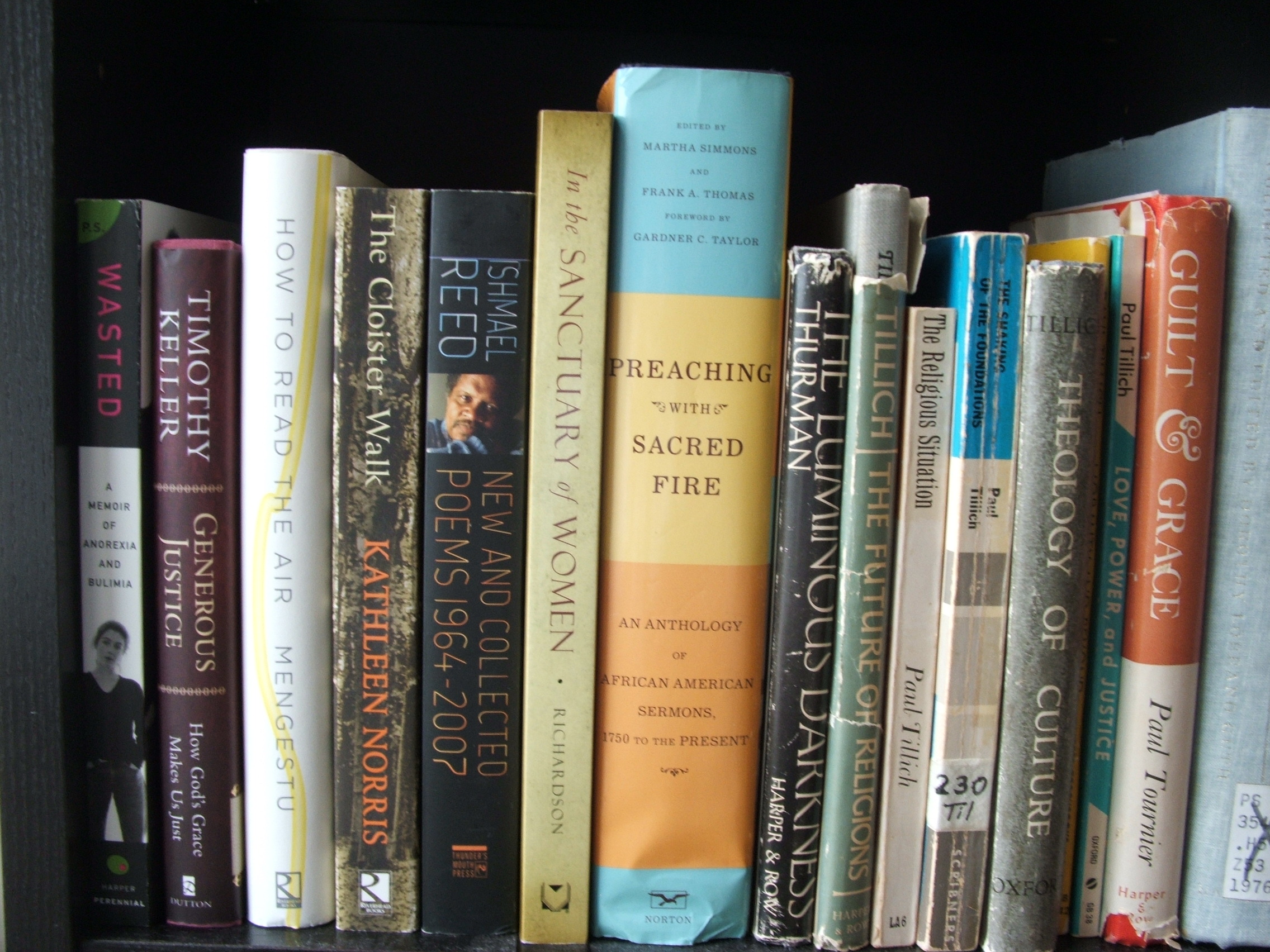
Lord, I can approach you only by means of my consciousness, but consciousness can only approach you as an object, which you are not. I have no hope of experiencing you as I experience the world–directly, immediately–yet I want nothing more. Indeed, so great is my hunger for you–or is this evidence of your hunger for me?–that I seem to see you in the black flower mourners make beside a grave I do not know, in the embers’ innards like a shining hive, in the bare abundance of a winter tree whose every limb is lit and fraught with snow. Lord, Lord, how bright the abyss inside that “seem.”
From Christian Wiman’s My Bright Abyss, a beautiful, plunging book I’m crouching through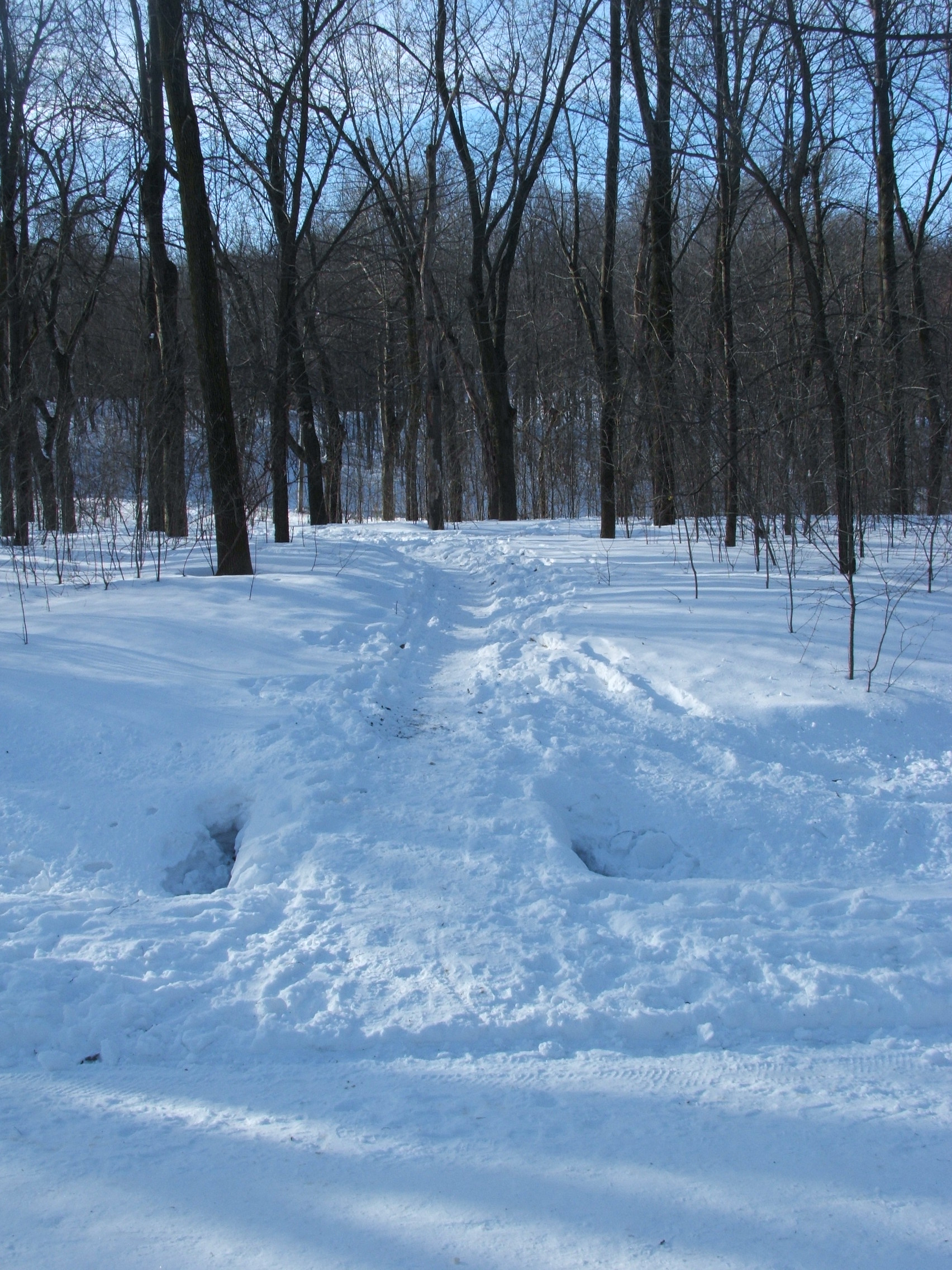


 Michael Washington