Author / Michael


Being Stubborn
I am a stubborn man. I usually soften that description by saying I’m committed. I’m a thinker. Those two things are true but they take form in my stubbornness. They are expressions of stubbornness. At least, for me.
Now, most stubborn people can spot other stubborn folk. We recognize each other even if we don’t speak to each other. We notice the characteristics, the gestures, and the acts which are native to members of our tribe. These are acts I need not write. I don’t want to do all your work for you, and I don’t want to completely out my people!
What I do want to say is that stubborn people, aside from being the best kind of people, have a fault line. At a point, we stop listening. At a point, we stop attending. At a point, we stop.
The stubborn person doesn’t move after arriving at a place because that place is right for them. That arrival, that posture, and that position is psychologically recognizable. So, why move? Why keep going?
We reason within that, having already arrived at ourselves and our points and our beliefs, listening is no longer needed. Now, this fault line can be, and often is, smudged. After all, stubborn people can listen and attend. It’s possible. But it takes a lot to re-engage our ears because we have to hear something compelling and something familiar enough to ourselves, our points, and our beliefs for listening to be credible.
Here’s the other point: all people are stubborn people about something. Everyone makes a commitment to something, some posture, some belief. The question is, what are you stubborn about? When you know that, you begin to be aware of what you’re willing to move from and what you’re stuck on. You can consciously engage with your listening potential.

Leavings
The other day my summer intensive students finished their unit of CPE. We gathered at an Oak Park restaurant and had a great time. It was wonderful to see them together, around a table, laughing, and making fun of each other and of me, remembering their 11 weeks of chaplaincy at the hospital.
They had a way of relating that didn’t include me, and we had a way of relating together that did. We joked over how the Catholic and the Episcopal students were first to order a bottle of wine. Somebody told a good joke about Baptists and beer, and, when it felt right, I asked a troubling question about substance abuse and ministry. I learned more about the six traditions around the table when it comes to the concern. You can tell a lot about a group of people when they gather, when they raise questions, when they sit with questions.
We took pictures, entertained our server, and enjoyed our food. We talked about our patients and our group work. I tried to enjoy their natural rhythm and further minimize my “supervisory approach” as we went about the work of ending.
I asked my students a similar question that I raise each week with my boys. On the morning my week with the boys ends, I ask them what their most favorite and their least favorite part of the week has been. It’s become a ritual for us. In fact, if we’re driving to the drop-off where they greet their mother and I haven’t raised the question, one of them will. The ritual has caught on.
I asked my students something similar and we all listened and joined in to see again the experiences we knew about or a few that we hadn’t known about. We listened and, as one feminist theologian wrote, heard each other each speech.
To supervise students well, you have to have a way to end. You need an approach to leaving and it causes an educator to be intentional about not only beginnings but endings. Even if you don’t do much to finish, end, or terminate, you have to consider it to be good at supervision. How will this end? How do I want this to finish? Where would I like to be when we’re done?
My therapist told me once, when we were discussing the beautiful nuances of introverts and extroverts dating, that everyone needs to leave, not just introverts. She said we practice leaving every time we get together. Extroverts move toward other people naturally. Introverts move in the direction of the individual self. These moves are about energy, the maintenance of a person’s soul. You need to move toward and away.
Everyone comes and everyone goes. It’s a natural part of life. It’s a natural need.
Even when you move toward people, the soul requires leave-taking.
When you leave, may you do so with grace, blessing and laughter.

Challenging Legacies

Openings
The other day I left home very early because I woke up very early. I left feeling grateful that I would miss traffic, even while I had a nagging exhaustion from the last couple days. I had slept which was good but I woke up sensing that all the night my mind had been occupied. My mind was in more places than my feet.
Well, it was a long day, for many reasons. In a way, it was a very different, hard, grueling day. I ended work, went to the neighborhood where my dojo is, and took an hour-long walk before an hour-long class at Thousand Waves. Then, spent and sweaty, I stopped by the grocery store so I would have something for breakfast and lunch. I hadn’t shopped since the week prior when I did my errands for the week with my sons.
I got home 15 hours after I left to find my door swinging open. I cussed myself and anybody who could hear and then I put my items in the fridge and freezer.
After that, I walked through my home, opening all the doors and looking everywhere somebody’s feet could be, and then doing it again. I wanted to make sure no one was there, that nothing was missing. I knew I had locked my door. Or had I? After a while, I laughed at myself.
I have never been accused of being a morning person. I dislike morning people secretly. But I go slow in the morning because I know I have to. I double-check when I turn off my tea kettle. I wash the dishes after I use them because it helps me wake up. I make sure to go as slow as a wake time allows. How did I leave open my door?
I was already flying with the psychological significance of the matter. I was carrying a lot that day, more than usual. And these days have been full, really full. The fact that I get on people about safety and locking doors made me laugh at my own preoccupation, at my presumption that I did what I always do, and it gave me the humor I needed to slowly reflect on how vulnerable I am to missing details, to making mistakes, and to unexpected kindness.
When you carry a lot or when you carry more than you usually do, what you’re carrying will exhaust you. It’s normal. Even when your little defenses form mechanisms to insulate you, there are openings, there are vulnerabilities, and there are breaks.
Those openings can bring laughter but they can bring a certain amount of judgment too. When you get on without seeing your breaks and your vulnerabilities, you actually need those openings. They give you something and not only humor. They give you vision for reality. They help you see the unseen.
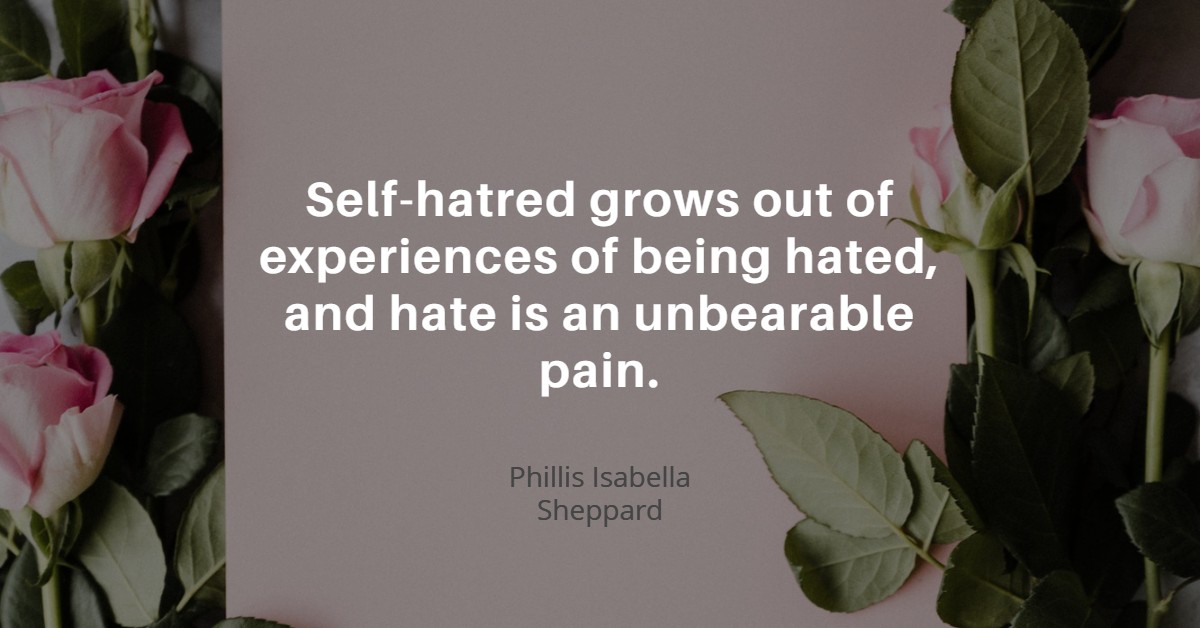
Hate vs. Love

Costs of Grief
I am migrating through a terrain that I’ve never walked. A murky, sometimes soul-bending, walk that with all my good planning I could not plan. I’ve struggled and I’ve laughed. I’ve prayed and I’ve gone to sparring.
It’s occurred to me a few times that much of this path is about grief–and not my own. There are many names for it. Attachment pain is a related one. Mourning. Stagnancy. Sorrow. These are synonyms for grief.
It makes sense and it’s unsurprising that the griever will pay their costs. But it’s terribly unsettling that grief has a way of charging everybody around. When you accompany a person through grief, even from a distance, it will cost you.
It doesn’t require your all but the unworked workings of others draws upon you. The grief of others who you’re in relationship to, even when that relationship has converted to the perfunctory, will cost you. You will pay emotionally and in other ways.
I’ve known of grief and its costs. You pay for the affection that seeps and spends and is, at some good point, finally absent. You pay for the moments of reckoning when you see little anniversaries come without the presence of the departed. You pay for not hearing your name in that person’s tone of voice again. You pay for a memory that grasps but doesn’t always capture. You pay for returning to the same old sacred spaces feeling new emptiness.
It’s like an expense that you can’t place perfectly on a budget, like a charge with its own deep subtraction but no place to categorize. You expect to be charged through the unwieldy experiences of anguish. Saying goodbye to someone. Feeling the rip that accompanies a transition.
The surprise to me is that these are not payments that are subject only the one who grieves but also to those that person is around. People I know will pay because of my pain. People I know will spend because of my sorrow. People I’m around will be taxed by my posture in relation to what’s gone.
There are costs to losses and not all of them are known. Some of the costs are unseen. Some of the costs are there but not yet known. So, it’s a surprise that’s dawning on me, an unknowing that I’m beginning to know better.
And I’m still frugal. I’m still upset to have to pay. I’m still struggling with this expensive terrain. Even as I look up and ahead to see the ending of a rocked path with sprouts of green and slices of yellow and all kinds of possible brightness.

Radical Ontology
PJ Morton’s So In Love
This makes me think of my sons, of my brothers and their children, and of my father whose memory is blessed.
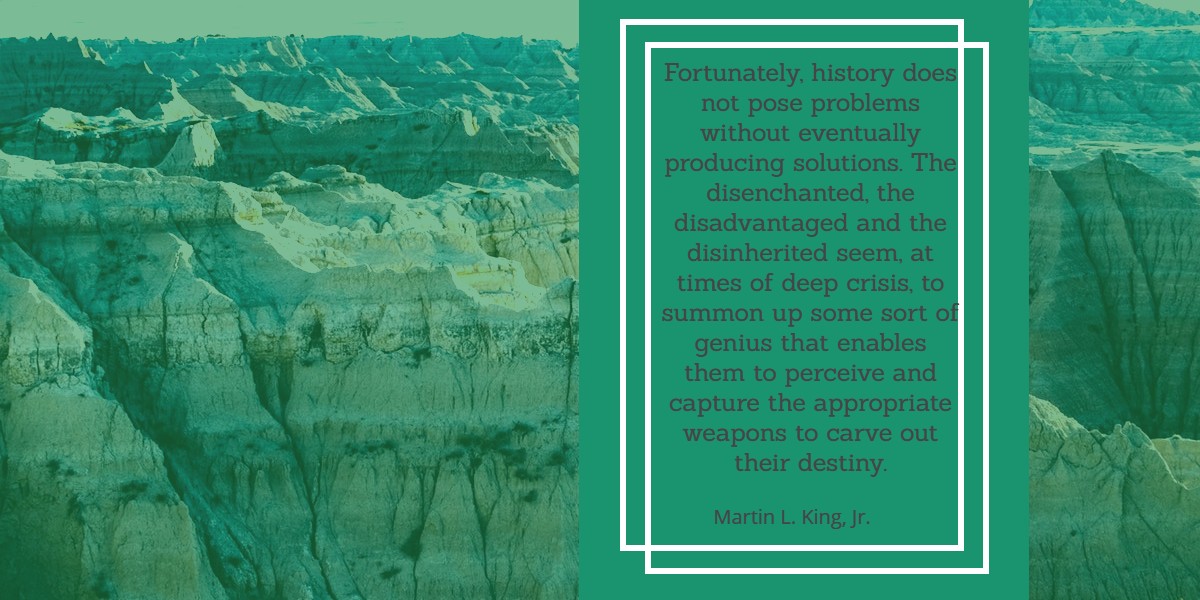
“…some sort of genius…”
PJ Morton’s Tiny Desk

“The Only Future of Any People”
Black children are our most valuable possession and our greatest potential resource. Any meaningful discussion of the survival or the future of Black people must be predicated upon Black people’s plan for the maximal development of all Black children. Children are the only future of any people. If the children’s lives are squandered, and if the children of a people are not fully developed at whatever cost and sacrifice, the people will have consigned themselves to certain death.
 Michael Washington