Today starts a month of writing for fiction writers across the world. So, it’s for us who aspire to write but don’t get around to it. It’s for us who have dreamed about writing fiction but who have allowed everything else to come first. Or second or third. The list that keeps us from writing is long. Indeed, for some, it’s unending.
I have no idea how this movement to write, to encourage writing, to congregate around the written word for a solid month, started. If you know, tell me. But if you are a writer, if you know a writer, get involved this month. Start writing, either along with the structured approach at NaNo or on your own. For the supporters among us, love the writers in your life and do everything you can to help them write. That may mean buying them tea. Or sending them writing prompts. It may mean waiting longer for a reply to your email. It may mean leaving them alone.
So I’m going to include a few inspiring words about writing from some of my favorite places over the course of the month. I’ll resist the urge to repeat some of the authors who I’ve interviewed on the blog. But look there too, if you require great nudges. I’m especially thankful this year for Marisel Vera who met with me a few weeks ago. After our chat, I started writing fiction again regularly, after a very long pause.
Today’s quote comes from Richard Wright in the Author’s Note and in the text of Native Son:
In a fundamental sense, an imaginative novel represents the merging of two extremes; it is an intensely intimate expression of the part of a consciousness couched in terms of the most objective and commonly known events. It is at one something private and public by its very nature and texture. Confounding the author who is trying to lay his cards on the table is the dogging knowledge that his imagination is a kind of community medium of exchange: what he has read, felt, thought, seen, and remembered is translated into extensions as impersonal as a worn dollar bill.
We must deal here with the raw stuff of life, emotions and impulses and attitudes as yet unconditioned by the strivings of science and civilization. We must deal here with a first wrong which, when committed by us, was understandable and inevitable; and then we must deal with the long trailing black sense of guilt stemming from that wrong, a sense of guilt which self-interest and fear would not let us atone. And we must deal here with the hot blasts of hate engendered in others by that first wrong, and then the monstrous and horrible crimes flowing from that hate, a hate which has seeped down into the hearts and molded the deepest and most delicate sensibilities of multitudes.
For more information or if you aren’t familiar with National Novel Writing Month, click here. Then, go and write.
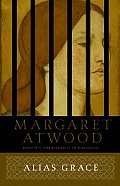 This passage comes from Margaret Atwood’s novel, Alias Grace (pg. 298). I read it a couple years ago. It’s the story of a woman from the nineteenth century who’s been convicted for her involvement in the murder of her employer and his mistress. While this passage isn’t exactly reflective of the novel, I wrote it in my journal back then and think it fits with my postings to encourage us writers.

 Michael Washington